
"coffee plant compounds"
1000 article(s) found

Chemical reaction and temperature during coffee roasting changes of reactive substances in coffee roasting process
Professional coffee knowledge exchange more coffee bean information please follow the coffee workshop (Wechat official account cafe_style) professional coffee roasting | coffee roasting is too complicated? A picture teaches you how the baking process reacts to the chemical composition of the baking. Sucrose: melting point 187.8 ℃-sugar? Complex = caramelization-water CO2 escapes to produce an explosive First Crack phenomenon. I'm in the roaster.

Detailed analysis of low molecular weight sugars in coffee beans
Moisture: the water content of coffee beans varies greatly with different processing stages and products. The moisture content of wet coffee beans with film is about 50%, while that of dried raw coffee beans is about 10%-13%. The water content of roasted coffee beans is only less than 5%. The existence of water in coffee beans is the same as other kinds of food and beverages, because it contains a considerable amount of hydration colloid macromolecules.

Detailed Analysis of Coffee Bean ingredients basic knowledge of Fine Coffee
Moisture: the water content of coffee beans varies greatly with different processing stages and products. The moisture content of wet coffee beans with film is about 50%, while that of dried raw coffee beans is about 10%-13%. The water content of roasted coffee beans is only less than 5%. The existence of water in coffee beans is the same as other kinds of food and beverages, because it contains a considerable amount of hydration colloid macromolecules.

Fine Coffee Science explains the nouns of coffee in detail.
[source] basic source of medicinal materials: seeds of small fruit coffee, medium fruit coffee and large fruit coffee of Rubiaceae. Latin plant animal mineral name: 1.CoffeaarabicaL.2.CoffeacanephoraPierreexFroehn.3.CoffealibericaBul1.exH1en harvesting and storage: the pericarp begins to turn red and can be harvested. The harvest time varies with the species, and the small seeds are collected from September to November and from September to October.
What is the reason why the coffee is too bitter? What substances does the bitterness of coffee come from and how to prevent it from being too bitter?
Bitterness has become a terrible word in the boutique coffee industry. We all know that good coffee should be sweet and balanced, may be a little sour, and there is absolutely no need to add sugar to make it delicious. What makes coffee bitter? is it always that bad? Doesn't it taste bitter? Bitterness is not always a bad thing. In fact, if your coffee doesn't taste bitter at all, you may find it too

Detailed analysis of the ingredients of coffee beans general knowledge of fine coffee
Moisture: the water content of coffee beans varies greatly with different processing stages and products. The moisture content of wet coffee beans with film is about 50%, while that of dried raw coffee beans is about 10%-13%. The water content of roasted coffee beans is only less than 5%. The existence of water in coffee beans is the same as other kinds of food and beverages, because it contains a considerable amount of hydration colloid macromolecules.
Detailed Analysis of the components of Fine Coffee beans
Volatile compounds are the primary source of coffee flavor, especially for coffee quality. There are many kinds of volatile snail in coffee, and its existence will affect the aroma quality of coffee. Its primary origin is derived from the non-volatile substances in raw beans which are disconnected or derived from spinning hooks in the process of roasting. Impregnation of thermal differentiation, other spinning hooks or compositions, such as sugars and amino acids

Detailed Analysis of the components of High-quality Coffee beans
★ volatile compounds: volatile compounds are the main source of coffee flavor, especially important for coffee quality. There are many kinds of volatile substances in coffee, and their existence will affect the aroma quality of coffee. Its main source is derived from non-volatile substances in raw beans which are disconnected or derived after reaction in the process of roasting. The role of thermal decomposition, other reactions, or compositions, such as sugar.

How many flavors are there in coffee beans? explore the secret of the aroma of coffee beans
Professional coffee knowledge exchange more coffee bean information please follow the coffee workshop (Wechat official account cafe_style) front street-coffee flavor, aroma introduction 1. In fact, the complex aroma is related to the chemical composition of raw beans. Compounds that produce different aromas will be present in different concentrations in raw beans, including variety, climate of origin, fruit maturity, treatment, etc.

Detailed analysis of carbohydrates in coffee beans
★ moisture: the water content of coffee beans varies greatly with different processing stages and products. The moisture content of wet coffee beans with film is about 50%, while that of dried raw coffee beans is about 10%-13%, and that of roasted coffee beans is only less than 5%. The existence of water in coffee beans is the same as other kinds of food and beverages, because it contains a considerable amount of hydration colloid macromolecules.

Brief introduction of compound washing method of coffee and beans in Kenya
Following Ka Pai (Wechat official account vdailycom) found that Fairview Cafe opened its own shop Kenya double washing method Kenya's double washing method is also known as Kenya double washing fermentation (double fermentation). The reason is that there are two layers in the washing trough. Coffee farmers usually pick out defective beans from the coffee berries harvested in the evening, and after removing the peel, they will attach them.
Coffee has a certain therapeutic function after roasting.
In recent years, the health effect of phenolic acid has attracted people's attention. it can resist oxidative diseases such as coronary heart disease through the intake of fruits and vegetables.
Detailed Analysis of the components of Fine Coffee
★ moisture: the water content of coffee beans varies greatly with different processing stages and products. The moisture content of wet coffee beans with film is about 50%, while that of dried raw coffee beans is about 10%-13%, and that of roasted coffee beans is only less than 5%. The existence of water in coffee beans is the same as other kinds of food and beverages, because it contains a considerable amount of hydration colloid macromolecules.
Detailed Analysis of the components of Fine Coffee Bean
★ moisture: the water content of coffee beans varies greatly with different processing stages and products. The moisture content of wet coffee beans with film is about 50%, while that of dried raw coffee beans is about 10%-13%, and that of roasted coffee beans is only less than 5%. The existence of water in coffee beans is the same as other kinds of food and beverages, because it contains a considerable amount of hydration colloid macromolecules.
Coffee health coffee has a certain therapeutic function after roasting.
In recent years, the health effect of phenolic acid has attracted people's attention. it can resist oxidative diseases such as coronary heart disease through the intake of fruits and vegetables.

How does coffee flavor come from? why coffee beans have a variety of flavor reasons and characteristics
When we drink coffee, we always say that this cup of coffee has a good taste of citrus juice and that cup of coffee has a rich flavor of chocolate cream. I wonder if when you are tasting coffee, have you ever thought about how the flavor we drink comes from? Now the hand-brewed coffee we drink will emphasize the origin of this coffee, just as before.
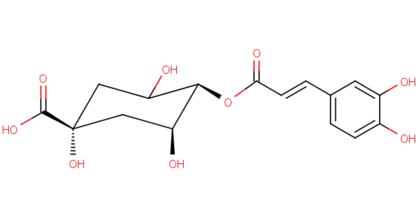
SCAA Emma Bladyka chlorogenic acid: the importance of chemical changes in chemistry and reality baking
What are they? Many plants contain chlorogenic acid in addition to caffeine. Acids have this very similar structure in the Luyuan Group, and the composition of an ester usually includes caffeic acid and quinic acid as components. All chlorogenic acids belong to a larger class of phenolic acids. In nature, phenolic acids are usually used as defensive compounds by plants, or as a signaling mechanism between plants and soil microorganisms. they
Knowledge of high-quality coffee beans detailed analysis of the components of coffee beans
★ moisture: the water content of coffee beans varies greatly with different processing stages and products. The moisture content of wet coffee beans with film is about 50%, while that of dried raw coffee beans is about 10%-13%, and that of roasted coffee beans is only less than 5%. The existence of water in coffee beans is the same as other kinds of food and beverages, because it contains a considerable amount of hydration colloid macromolecules.
Scientists study how the bitterness of coffee helps to improve the taste of coffee
Although this is done to coordinate the bitterness of the drink, the reason why coffee makes us frown has been wondered by scientists for decades. Now, researchers have narrowed down the typical scope of this exploration by identifying two compounds associated with coffee, whether gentle breakfast coffee or Italian espresso bitterness. An annual meeting of the American Chemical Society was announced in Boston.

Detailed analysis of the ingredients of coffee beans what are the ingredients in a coffee bean?
★ moisture: the water content of coffee beans varies greatly with different processing stages and products. The moisture content of wet coffee beans with film is about 50%, while that of dried raw coffee beans is about 10%-13%, and that of roasted coffee beans is only less than 5%. The existence of water in coffee beans is the same as other kinds of food and beverages, because it contains a considerable amount of hydration colloid macromolecules.